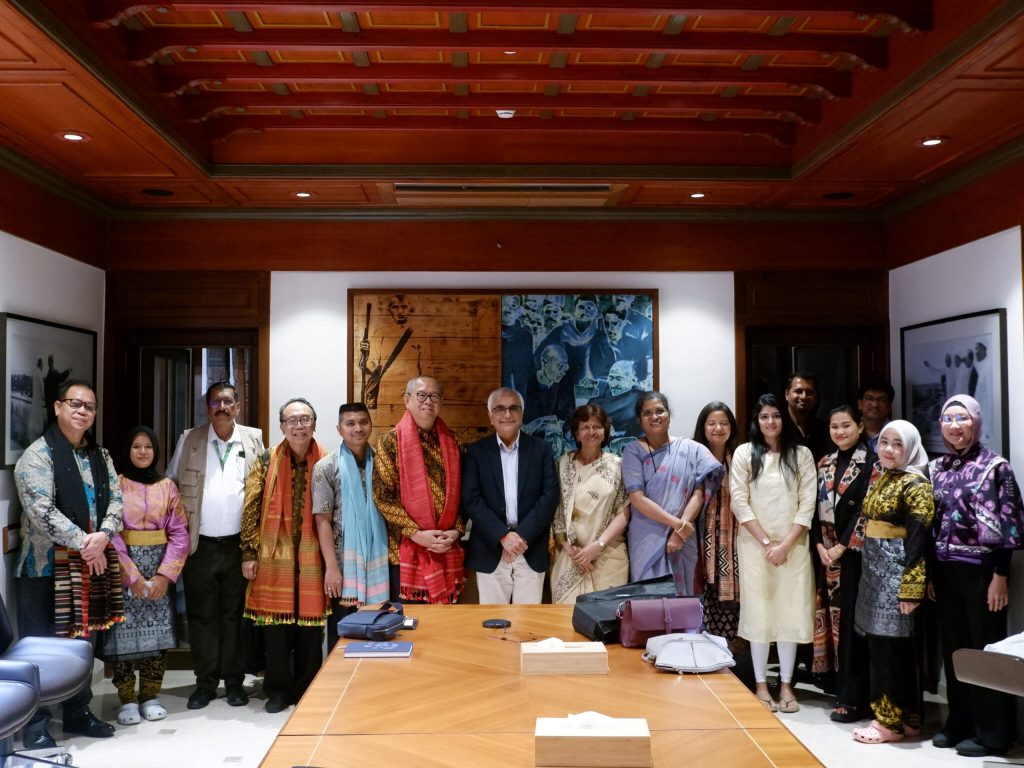
As part of my visit to Mumbai following an invitation from the Consulate General of the Republic of Indonesia (KJRI) in Mumbai to participate in the Jakarta-Mumbai Update (JAMU) 2026, I also had the opportunity to strengthen academic collaboration between the Faculty of Social and Political Sciences, Universitas Indonesia (FISIP UI), and Somaiya Vidyavihar University, India on 24 June 2026.
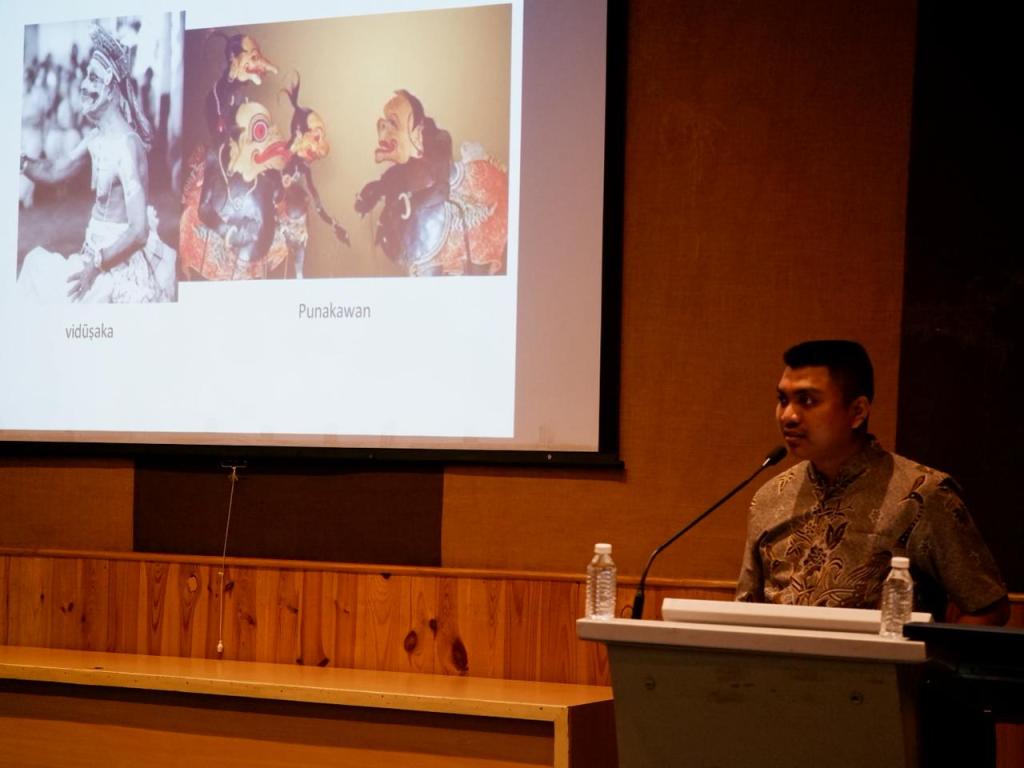
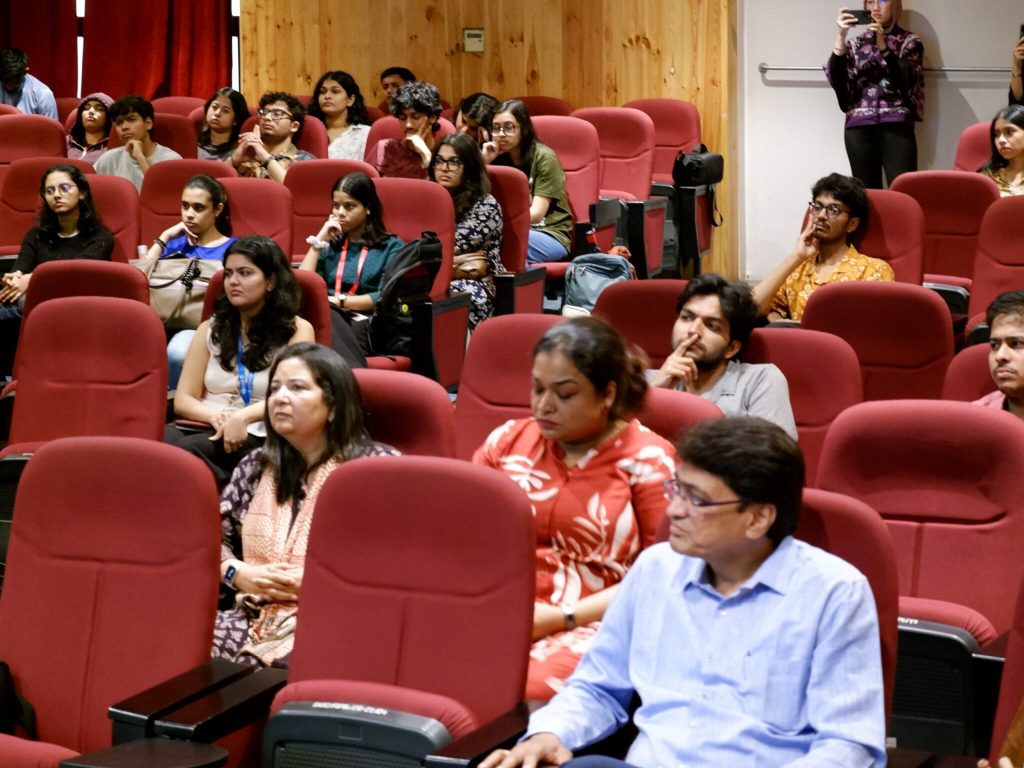
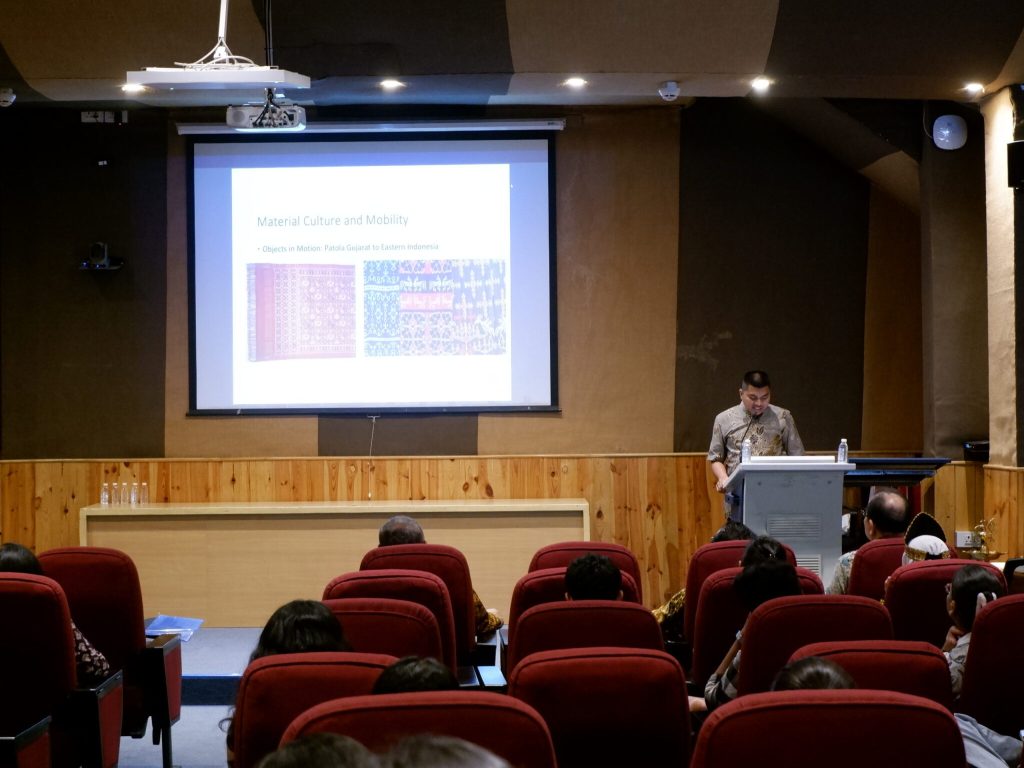
This visit was part of an ongoing academic relationship between the two institutions. In 2025, Prof. Evi Fitriani, Ph.D., dean of FISIP UI, visited Somaiya Vidyavihar University and delivered a public lecture. Building on this collaboration, I was invited to deliver a guest lecture at the Faculty of Dharma Studies, Somaiya Vidyavihar University, entitled “Common Heritage Across the Islands: Heritage-making and Social Transformation.”
During my lecture, I emphasized the importance of revisiting the cultural similarities and historical connections between Indonesia and India. I argued that the cultural relationship between these two countries should not be understood simply as a one-way process in which one society influences another. Rather, it reflects centuries of dynamic exchanges of ideas, values, and cultural practices.
One example I discussed was the visit of Rabindranath Tagore, the 1913 Nobel Laureate in Literature, to Java in 1927. During his visit, Tagore was particularly impressed by Javanese temple architecture, gamelan music, and batik. Upon returning to India, he brought several batik textiles from Java to be used as teaching materials at the educational institution he had established in Santiniketan, West Bengal. Interestingly, Javanese batik techniques continue to be taught there today, although they have undergone various aesthetic adaptations that reflect the local cultural context of India.
Beyond exploring the historical connections between Indonesia and India, I also invited the participants to critically reflect on the concept of cultural heritage itself. I emphasized that cultural heritage should not merely be understood as something inherited from the past that needs to be preserved, but also as a social and political construction that is constantly being negotiated and transformed.
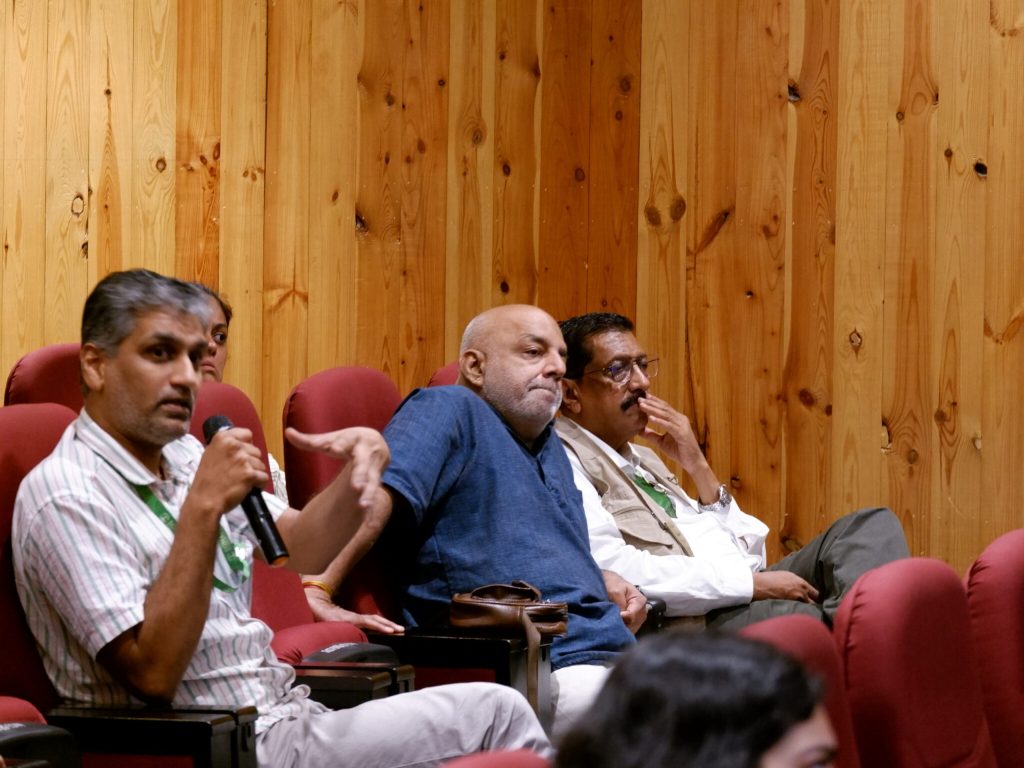
Not every tradition or historical site is officially recognized as cultural heritage. Such recognition involves particular forms of authority, whether exercised by the state or international institutions such as UNESCO. From this perspective, I argued that social transformation cannot be separated from discussions of cultural heritage. Contemporary issues such as overtourism, cultural appropriation, and the commodification of culture were also important topics that we explored during the lecture and subsequent discussion.
Looking ahead, I hope that the academic collaboration between the Faculty of Social and Political Sciences, Universitas Indonesia, and Somaiya Vidyavihar University will continue to grow and become increasingly productive. With the support and facilitation of the Consulate General of the Republic of Indonesia in Mumbai, I believe that future collaborations, including guest lectures, joint seminars, and collaborative research, can further enrich academic exchanges and deepen our understanding of the historical and cultural connections between Indonesia and India, particularly in addressing contemporary global challenges.


Tinggalkan Balasan