Main Focus
My research focuses on material culture, especially in the context of vernacular house and handwoven textiles, highlighting their roles in social transformations and indigenous societies. My work explores how material objects encapsulate meanings, values, and functions that reflect and influence community identities and traditions. Through studies like the socio-cultural impacts of trade on the spread of Islam and the significance of rituals in agricultural practices, Wicaksono delves into the interplay between material culture and social life.
My investigations into handwoven textiles in Sumba and Flores reveal the cultural, economic, and symbolic dimensions of these materials, showcasing their importance as cultural expressions and economic resources. Wicaksono’s research underscores the dynamic nature of material culture, showing how it serves as a critical element in cultural identity and social cohesion, and illuminates the complex ways in which material objects are integrated into the fabric of daily life.
Vernacular Architecture
I explore the deep link between Eastern Indonesia’s vernacular architecture and its cultural essence, blending insights on sustainability, unity, and resilient indigenous heritage amidst change.
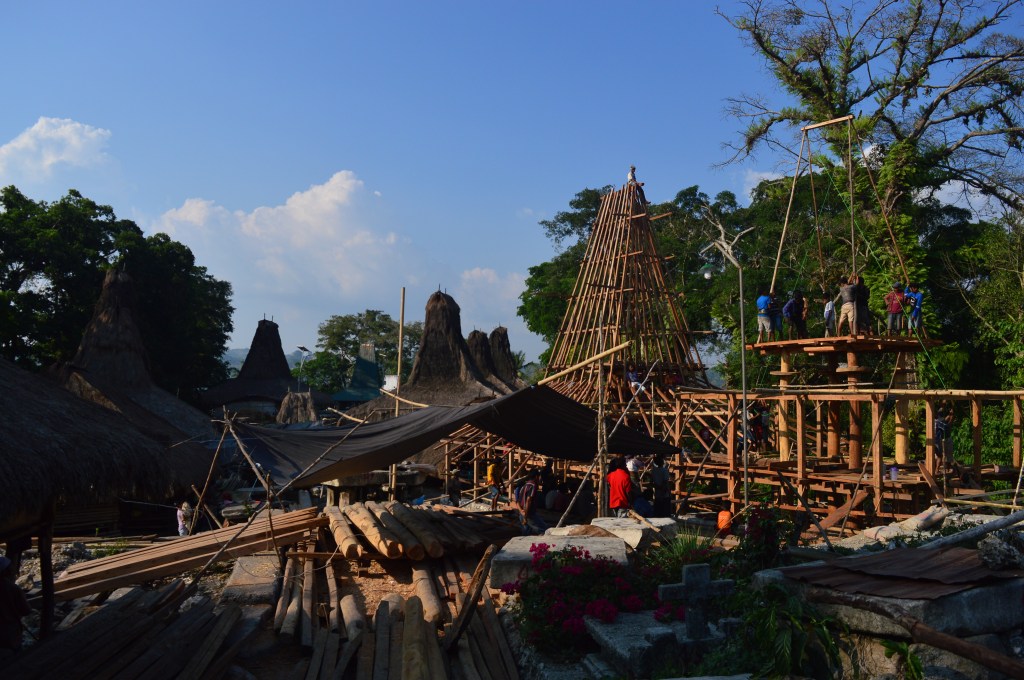
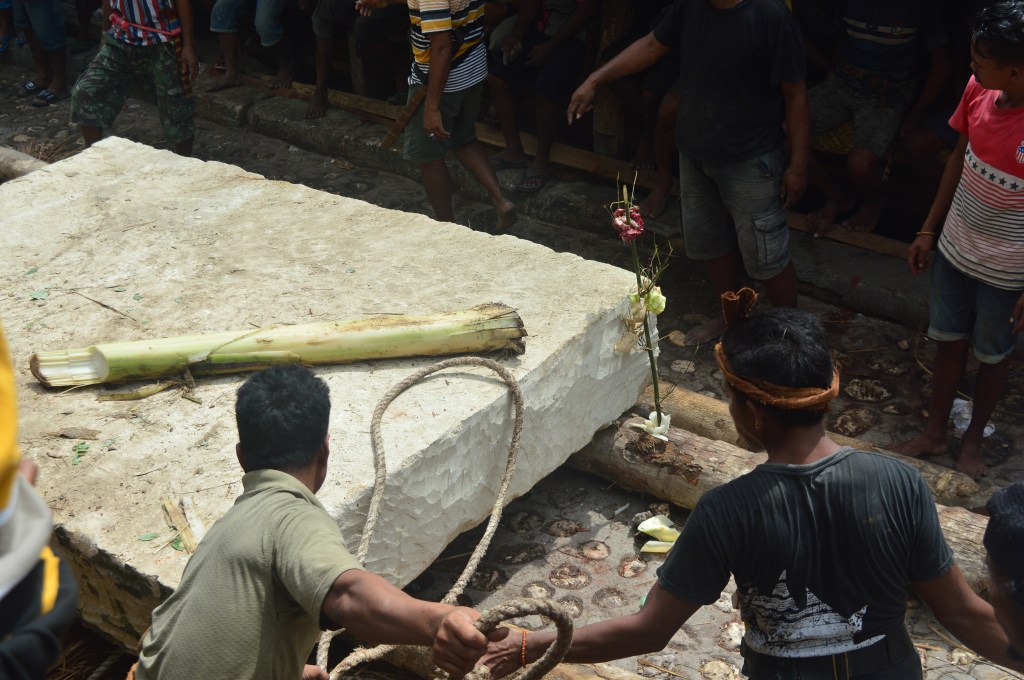
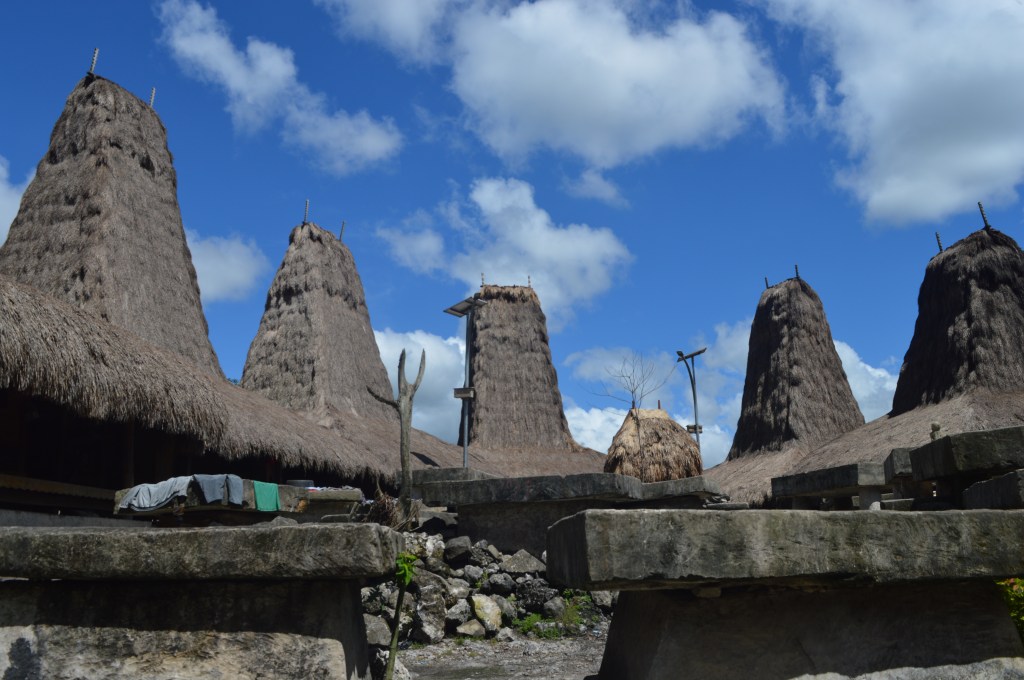
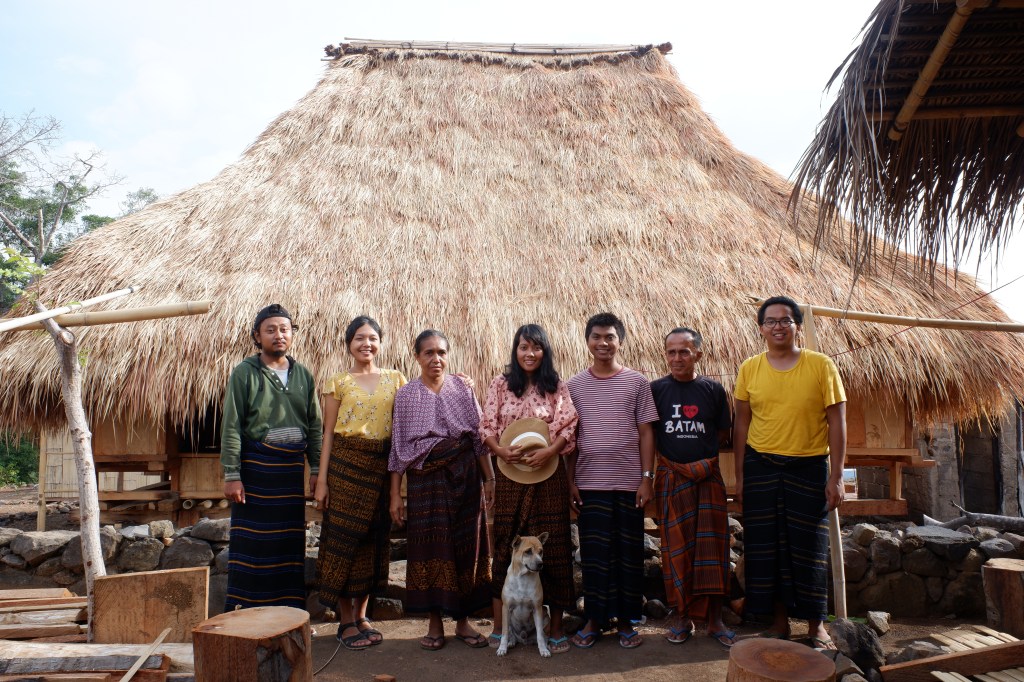
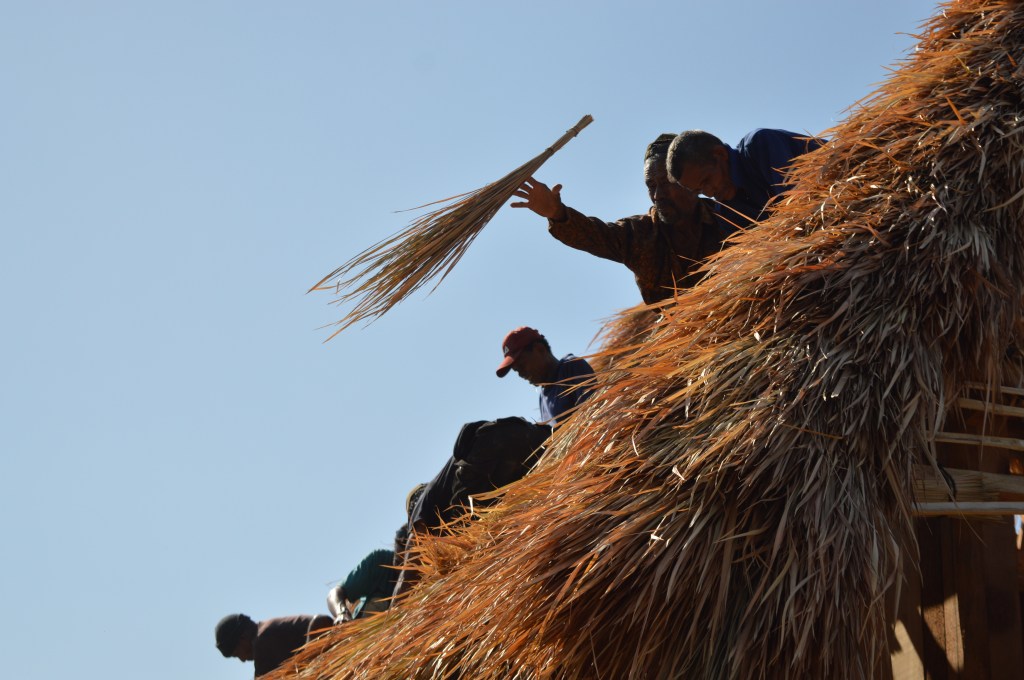
My research in vernacular architecture highlights the cultural, social, and environmental significance of traditional dwellings in Eastern Indonesia, particularly in regions like East Nusa Tenggara, including Sumba and Flores. His projects, such as “Research on Rebuilding Ceremonial House in Nggela, Eastern Indonesia” and “Traditional Houses and Cultural Expressions: An Ethnography of The Lio House Central Flores,” delve into the architectural techniques, materials, and designs that define these structures, exploring their role in embodying local knowledge, cultural identity, and environmental sustainability. Through a focus on how these buildings facilitate community cohesion and cultural continuity, Wicaksono’s work uncovers the intricate connections between vernacular architecture and the socio-cultural fabric of indigenous communities.
My investigation extends to the socio-economic and environmental dimensions that influence and are influenced by vernacular architecture. His involvement in the “Socio-Cultural Assessment for the Desa Adat Revitalization Assistance Program in Manggarai, East Nusa Tenggara,” for example, showcases his commitment to understanding the sustainability of traditional architectural practices amidst modernization and environmental changes. By examining the adaptive strategies of communities to preserve their architectural heritage while facing contemporary challenges, Wicaksono’s research provides critical insights into the preservation, adaptation, and evolution of vernacular architecture in Indonesia, advocating for the protection and appreciation of indigenous architectural heritage in a rapidly changing world.
Handwoven Textiles
I delve into the rich tapestry of Eastern Indonesia’s handwoven textiles, where each thread weaves a narrative of tradition, community, cultural identity, and social dynamics.
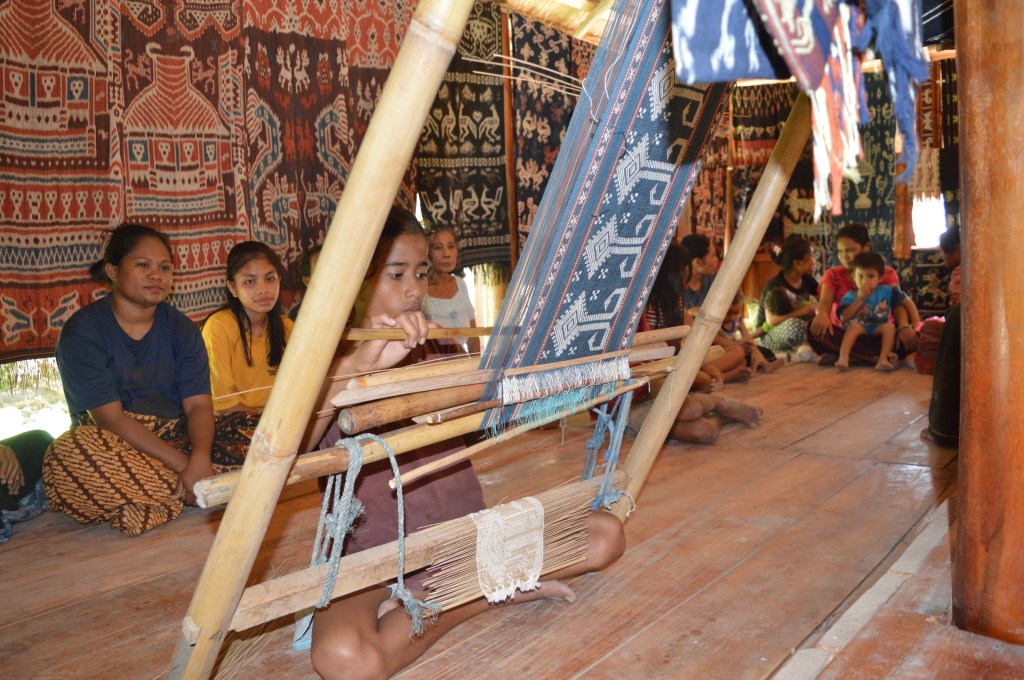
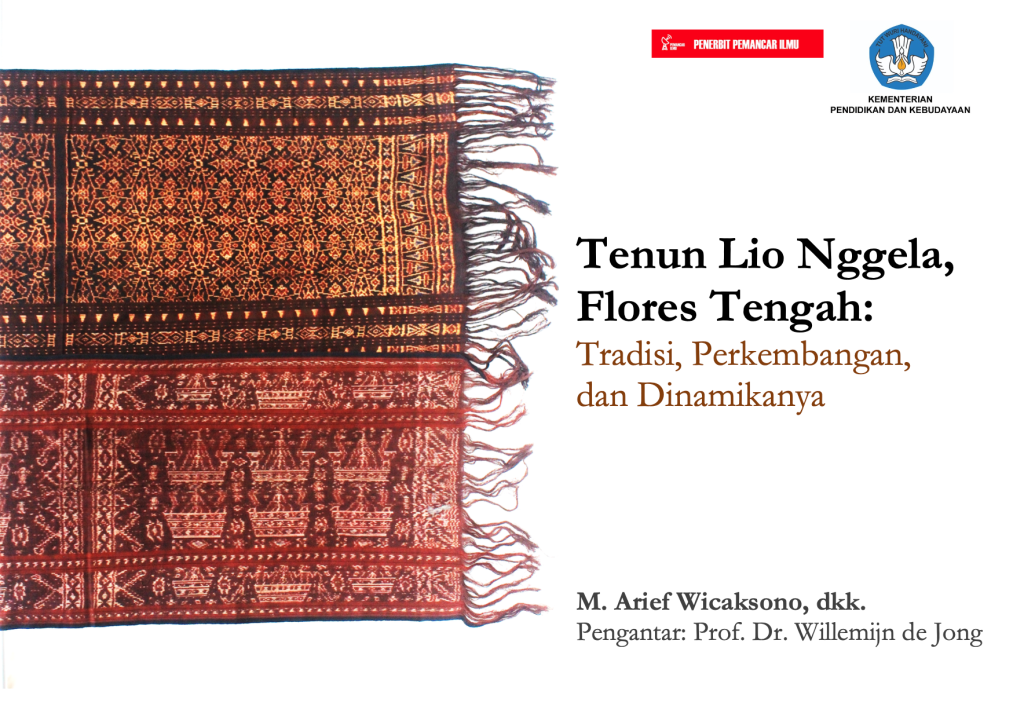
The exploration into handwoven textiles is a significant theme of my research, focusing on their cultural significance, production processes, and socio-economic implications within indigenous communities in Eastern Indonesia. His projects, such as the “Handwoven Textile Ecosystem Social Mapping in Western, Eastern, and Central Sumba,” and “Ikat Handwoven Textiles of Lio-Nggela, Central Flores: Traditions, Developments, and Dynamics,” offer a comprehensive analysis of the intricate weaving techniques, patterns, and the symbolic meanings encapsulated within these textiles. Through these studies, Wicaksono delves into how these textiles are not just articles of clothing or decor but are potent symbols of identity, heritage, and continuity within the communities that produce them, highlighting the interweaving of cultural expression with material craftsmanship.
The geographical focus of my research on handwoven textiles spans across the culturally rich and diverse landscapes of Sumba and Flores in East Nusa Tenggara, Indonesia. His work underscores the importance of these textiles in the social, economic, and ritual lives of the communities, examining the impact of external influences such as tourism and modernization on traditional weaving practices. Through his research, Wicaksono aims to preserve and revitalise these traditional textile arts, advocating for sustainable development practices that support local artisans and their communities. His contributions illuminate the complex dynamics of tradition and transformation within the textile industries of Eastern Indonesia, offering insights into the preservation of cultural heritage through the lens of material culture.
Related Works


This journey not only uncovers the tangible heritage of our ancestors but also empowers us to shape a future that respects and revitalizes our rich cultural legacies. Embrace this opportunity to connect with history, understand diverse worldviews, and contribute to sustainable cultural preservation.
 Mochammad Arief Wicaksono