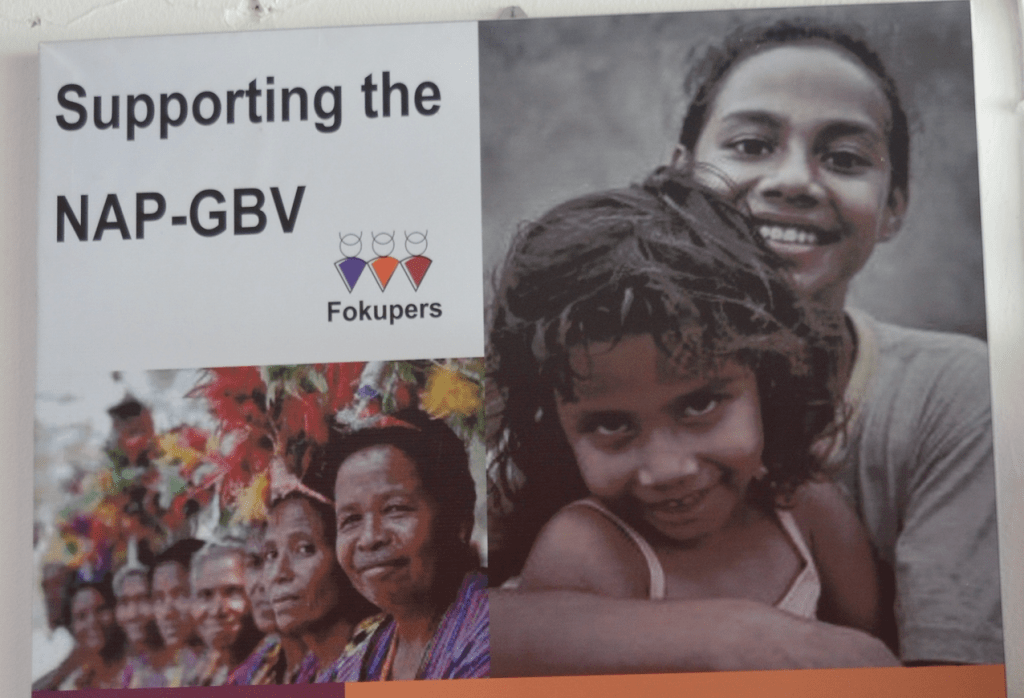
The book “Gender-Based Violence in Southeast Asia: Policy in Practice” provides a comprehensive examination of gender-based violence (GBV) within the Southeast Asian context, focusing on the policies and practices aimed at addressing this pervasive issue. The book, edited by Lidwina Inge Nurtjahyo and Mochammad Arief Wicaksono, presents an interdisciplinary approach, merging insights from law, social sciences, and gender studies to shed light on the complex dynamics of GBV in Southeast Asia. Through a collection of chapters written by various contributors, it addresses the multifaceted nature of GBV, including domestic violence, sexual violence, and online harassment, among others, and the response mechanisms established by states and civil society organizations.
One of the book’s core themes is the critical analysis of the effectiveness of One Stop Crisis Centers (OSCC) and Safe Houses as frontline interventions for victims of GBV. These centers aim to provide integrated services, including medical, legal, and psychological support, to victims. The book evaluates the operational challenges these centers face, such as funding, staffing, and coordination among different service providers, and how these challenges impact their effectiveness in providing support to victims.
Another significant aspect of the book is its exploration of the legal frameworks in place across Southeast Asian countries for tackling GBV. It critically examines the adequacy of existing laws, their implementation, and the gaps that persist, which may hinder the protection of victims’ rights. The book also delves into the societal and cultural factors that influence the prevalence of GBV in the region, including patriarchal norms, stigma associated with reporting violence, and the role of religion and tradition in shaping attitudes towards gender and violence.
Furthermore, the book highlights the importance of community-based approaches and the involvement of non-governmental organizations in addressing GBV. It showcases examples of grassroots initiatives and campaigns aimed at raising awareness, changing societal attitudes, and empowering victims. These examples illustrate the potential of collective action and community engagement in complementing formal response mechanisms and creating a more supportive environment for victims.
In conclusion, “Gender-Based Violence in Southeast Asia: Policy in Practice” offers valuable insights into the challenges and opportunities in addressing GBV in Southeast Asia. It calls for a multi-faceted approach that combines legal reforms, institutional support, societal change, and community involvement to effectively combat GBV and support victims. The book serves as a critical resource for policymakers, practitioners, researchers, and activists seeking to understand and address the complexities of GBV in the Southeast Asian context.
 Mochammad Arief Wicaksono
Tinggalkan komentar