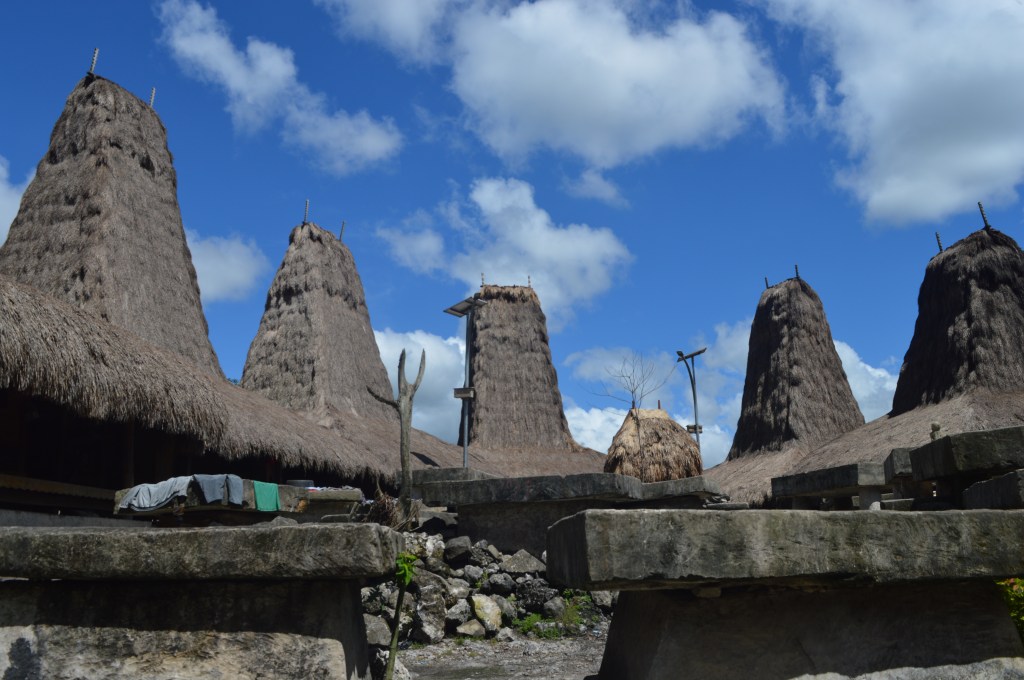
My Chapter 6 of “Social Adaptation of Indigenous People in the Traditional House to a New Modern Habit” delves into a collaborative analysis by researchers from Indonesia and Taiwan, focusing on the restoration of historic houses and empowerment initiatives between these two regions. This chapter presents an intriguing comparison that sheds light on the intricate processes of cultural policy formulation, implementation, and the overarching impacts on community empowerment and historical preservation.
The researchers embarked on a comprehensive examination of how Indonesia and Taiwan approach the challenges and opportunities in preserving historic houses, which are not only architectural heritage but also bearers of deep cultural significance. This comparative study illuminates the differing strategies employed by the two regions, highlighting the importance of community involvement, policy support, and the integration of modern requirements with traditional values.
In Indonesia, the focus is on the balance between maintaining the architectural integrity and historical value of traditional houses while adapting them to meet contemporary needs. This includes efforts to involve local communities in the preservation process, ensuring that the restoration projects contribute to their social and economic empowerment. The study showcases examples of successful initiatives where traditional houses have been revitalized, serving as both cultural landmarks and functional spaces for community activities.
Taiwan’s approach, as detailed in the chapter, emphasizes the role of government policies and funding in supporting the restoration of historic houses. The Taiwanese model is characterized by a strong collaboration between government agencies, local communities, and experts in heritage conservation. This partnership has led to the development of innovative solutions that respect the historical essence of traditional houses while introducing modern amenities and safety features.
The comparative analysis in Chapter 6 not only highlights the distinct methods and outcomes in Indonesia and Taiwan but also underscores the universal challenge of balancing heritage conservation with modernization. It advocates for policies that are sensitive to the cultural, social, and economic contexts of the communities involved, ensuring that the restoration of historic houses contributes to their vibrancy and sustainability.
In conclusion, this chapter provides valuable insights into the complexities of cultural heritage preservation and community empowerment. It calls for a nuanced understanding of the interplay between tradition and modernity, urging for policies and practices that honor the past while embracing the future.
 Mochammad Arief Wicaksono
Tinggalkan komentar